


Most vehicle owners only pay attention to engine oil, filters and spark plugs during daily maintenance, ignoring a small but critical component: the high-pressure fuel pipe. Many unexpected engine failures, unstable idling, weak power and frequent fuel leakage faults all originate from aging, mismatched or inferior fuel pipelines. Choosing a qualified, professionally manufactured high-pressure resistant fuel pipeline can fundamentally avoid hidden safety hazards and greatly reduce later maintenance costs.
Poor-quality fuel pipes often seem identical in appearance, but they cannot withstand long-term high oil pressure, frequent temperature changes and corrosive fuel media. They will gradually harden, crack, leak oil and cause air mixing inside the oil circuit. These problems do not appear suddenly, but accumulate slowly during daily driving. Once a fault occurs on the road, it not only causes vehicle breakdown, but also brings serious fire safety risks. Reliable pipeline products manufactured by professional auto parts enterprise adopt special composite materials and precision molding processes to resist all harsh working conditions inside automobile fuel systems.
Many drivers misunderstand that all high-pressure fuel pipes are universal and interchangeable. In fact, different diesel engines, gasoline direct injection engines and heavy-duty commercial vehicles have completely different pressure bearing standards, interface specifications and temperature resistance ranges. Random replacement will lead to insufficient sealing performance, abnormal fuel supply pressure and inaccurate fuel injection quantity. The engine will appear jitter, increased fuel consumption, insufficient power output and even damage the fuel injector and high-pressure oil pump. Matching dedicated fuel pipes according to original vehicle parameters is the core premise of safe and stable operation.
Long-term high-temperature working environment accelerates material aging of ordinary fuel pipelines. Engine compartment temperature rises sharply during high-speed driving and heavy-load operation, ordinary rubber pipelines lose elasticity quickly, sealing rings deform, and pipeline joints loosen easily. Continuous oil leakage will pollute surrounding parts, corrode wire harnesses, and trigger electronic control system alarms. Professional grade high-pressure fuel pipes integrate high temperature resistance, low cold brittleness and corrosion resistance, maintaining stable mechanical performance from extreme low temperature to high heat environment.
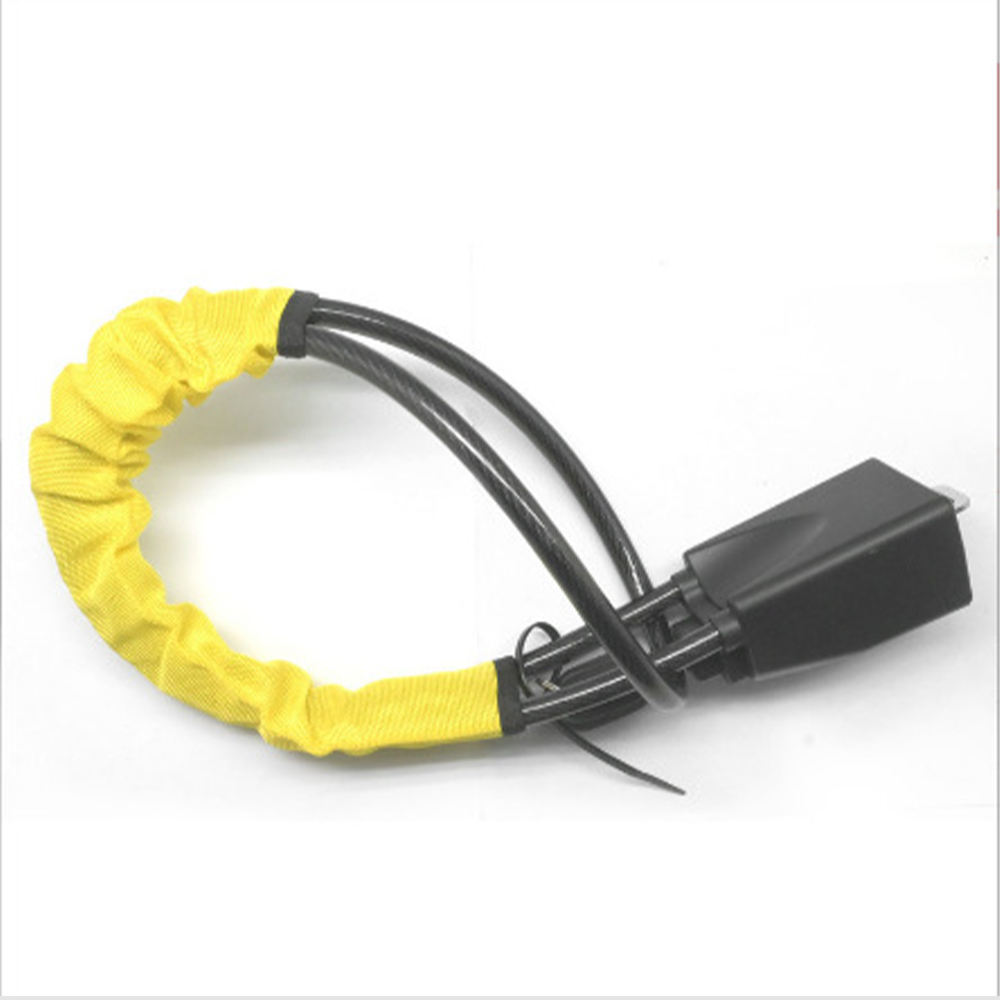
Fuel system air leakage is a troublesome hidden fault that is difficult to detect. Loose pipeline interfaces, tiny cracks on pipe walls and poor sealing performance will let air enter the high-pressure oil circuit. The engine cannot burn fuel fully, exhaust gas exceeds standard, power drops obviously, and cold start becomes extremely difficult. Most maintenance shops only check oil pumps and injectors, ignoring damaged fuel pipelines, resulting in repeated repairs and wasted maintenance expenses. Standard structured high-pressure fuel pipelines with tight sealing completely solve air intake faults and keep fuel pressure stable at all operating speeds.
Performance Comparison Of Ordinary Fuel Pipe & Premium High-Pressure Fuel Pipe
| Performance Indicator | Ordinary Low-Quality Fuel Pipe | Professional High-Pressure Fuel Pipe |
|---|---|---|
| Maximum Pressure Resistance | Below 60MPa | Up to 160MPa & above |
| Applicable Temperature Range | -20℃ ~ 80℃ | -40℃ ~ 150℃ |
| Fuel Corrosion Resistance | Poor, easy to swell and soften | Excellent, resist diesel, gasoline and additive corrosion |
| Service Life | 6~12 months | 3~5 years or longer |
| Sealing Stability | Easy to leak after vibration and aging | No leakage under continuous vibration and pressure fluctuation |
| Adaptable Engine Type | Only simple ordinary gasoline engines | GDI engines, heavy-duty diesel engines, engineering machinery engines |
Internal oil circuit pressure fluctuation directly affects fuel atomization effect. Unqualified pipelines cause unstable pressure supply, fuel injection quantity deviates from standard value, engine combustion efficiency drops sharply, vehicle fuel consumption rises significantly, and engine carbon deposit accumulates rapidly. Severe carbon deposit will further block injectors, aggravate pipeline burden, and form a vicious cycle of failure. High-precision high-pressure fuel pipes maintain constant pressure transmission, optimize combustion state, reduce carbon deposition generation and keep engine power at optimal level for a long time.
Safety risks of fuel pipelines are closely related to driving safety. Cracked and leaking fuel pipes are exposed to high-temperature engine parts, which easily cause spontaneous combustion accidents. Heavy-duty vehicles, construction machinery and long-distance passenger cars run for a long time with heavy load, putting higher pressure on fuel pipeline durability. Selecting national standard qualified high-pressure fuel pipelines can eliminate fire hazards, protect whole vehicle oil system safety and ensure continuous stable operation of vehicles under complex road conditions.
Many users delay replacing aging fuel pipes because they think faults have no obvious impact. In fact, slight oil leakage and pressure instability will slowly damage precision fuel injection components. High-pressure oil pumps and injectors are expensive vulnerable parts, damage caused by abnormal oil circuit will cost huge repair fees. Replacing high-quality fuel pipes in advance is low-cost maintenance, which saves a lot of expensive component repair costs and avoids sudden vehicle breakdown on highways and mountain roads.
To sum up, high-pressure fuel pipe is an indispensable core accessory of automobile fuel supply system. It is not a simple connecting pipeline, but a key component ensuring pressure stability, sealing safety, engine power output and whole vehicle driving safety. Choosing professionally matched, high-standard and durable high-pressure fuel products can solve frequent oil circuit faults, reduce comprehensive vehicle use cost and extend overall service life of automobile engine system.